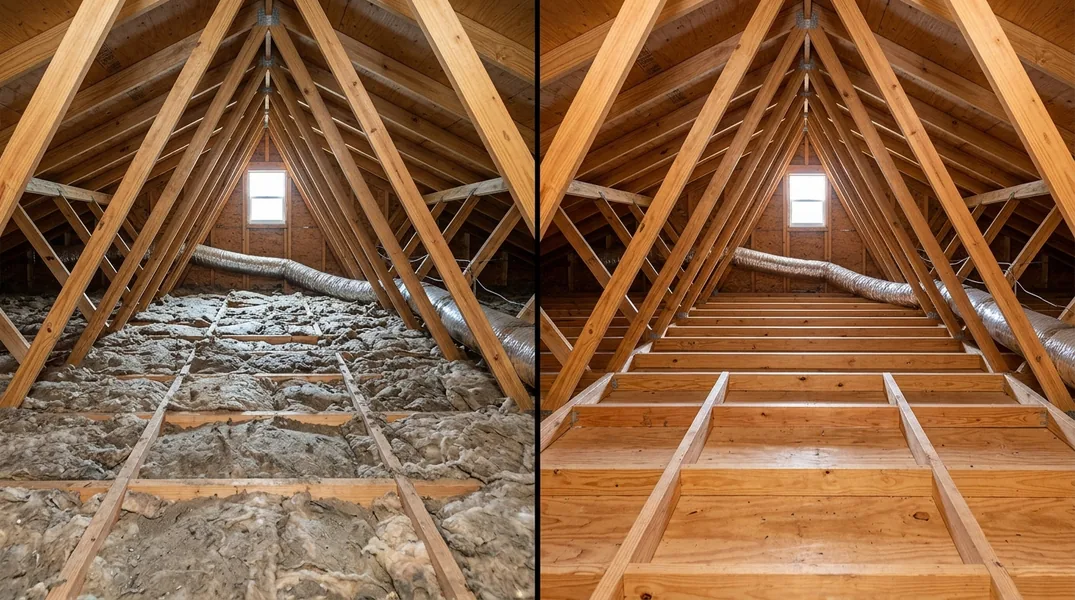
Why Permits Matter for Spray Foam Insulation Projects
When you're planning an Attic Spray Foam Insulation project in Lakeland, one of the most important conversations you should have with your contractor is about permits. Many homeowners assume that insulation work is a quick, straightforward job that doesn't require any paperwork or official approval. The reality is more nuanced. Depending on the scope of your project, local building codes, and the specific type of foam being installed, you may very well need a permit before your contractor can legally begin work.
Permits exist to protect you and your home. They ensure that the work meets current building codes, that your contractor is fully insured, and that the installation is performed safely. Skipping the permit process might seem like a way to save money and time upfront, but it can create serious problems later on. If you ever sell your home or file an insurance claim related to the insulation, you could face complications if unpermitted work was discovered. Additionally, unpermitted work may not be covered by your homeowner's insurance, leaving you vulnerable to financial loss.
Questions to Ask About Permits Before You Sign a Contract
Before you commit to any spray foam insulation contractor, you need to ask specific questions about the permitting process. Start by asking whether your project requires a permit in Lakeland. A reputable contractor will be able to tell you definitively based on the type and scope of work. Don't accept vague answers. If they say 'maybe' or 'we'll see,' that's a red flag. A professional company like Lakeland Spray Foam Insulation will know the local requirements inside and out.
Ask who will be responsible for obtaining the permit. Some contractors handle this as part of their service, while others expect the homeowner to obtain it themselves. You should also ask about the timeline for permit approval and whether there will be any inspections required during or after the installation. Understanding these details upfront prevents surprises and delays. Additionally, ask whether the pricing quote includes permit costs, or if those will be added separately. This transparency helps you budget accurately for the entire project.
Understanding Open Cell vs Closed Cell Spray Foam and Code Requirements
The type of spray foam you choose can actually influence permit requirements in your area. Open Cell Spray Foam Insulation and Closed Cell Spray Foam Insulation have different properties, and some jurisdictions have specific codes governing which type can be used in certain applications. Open cell foam is lighter, less dense, and more affordable, while closed cell foam is denser, more moisture-resistant, and provides a higher closed cell spray foam r value. The closed cell spray foam r value typically ranges from R-6 to R-7 per inch, compared to open cell's R-3.5 to R-3.6 per inch.
When discussing your project with your contractor, ask them which type of foam they recommend for your specific application and whether local building codes have any preferences or restrictions. In some cases, building codes may require a certain minimum spray foam r value to meet energy efficiency standards. Your contractor should be able to explain how the choice between open cell and closed cell affects both performance and compliance with Lakeland's local building ordinances. This conversation is essential because choosing the wrong type of foam could result in your project failing inspection or needing to be redone at additional cost.
What Happens During the Inspection Process
Once your contractor has obtained a permit and completed the spray foam installation, a building inspector will typically need to visit your property to verify that the work meets code. This is a normal and necessary part of the process. The inspector will check things like the thickness of the foam application, the coverage area, proper ventilation (if required), and that the installation doesn't block any important vents or create fire hazards. Ask your contractor what you should expect during the inspection and whether you need to be present. Most inspectors prefer to work with the contractor directly, but you may want to be on hand to ask questions or understand what's being checked.
Ask your contractor about the timeline for scheduling the inspection after the work is complete. Some municipalities require inspection within a certain window, and delays could hold up your project or cause issues with your insurance. Also ask what happens if the inspection fails. Will the contractor fix any issues at no additional cost, or will you be charged for corrections? A professional contractor will stand behind their work and ensure it passes inspection the first time. Understanding these details beforehand gives you confidence that your spray foam insulation project will be completed properly and legally.
Attic Spray Foam Insulation Cost in Lakeland: Budget for Permits and Compliance
When budgeting for your spray foam insulation project, don't forget to factor in permit costs. The cost of a permit varies by municipality, but it's typically a modest expense compared to the overall project cost. However, some homeowners are surprised when they discover that permit fees weren't included in their initial quote. Ask your contractor to provide a detailed breakdown of all costs, including labor, materials, permits, and any required inspections. This transparency ensures you won't face unexpected bills once the work has started.
The total pricing for your project will depend on several factors: the size of the area being insulated, whether you're choosing open cell or closed cell foam, the desired spray foam r value, and local labor rates in Lakeland. While it might be tempting to choose the cheapest contractor, remember that a reputable company that handles permits correctly and ensures code compliance is worth the investment. Cutting corners on permits or choosing an unlicensed contractor may save money initially, but it can cost you far more in the long run if problems arise. When you're ready to move forward, contact Lakeland Spray Foam Insulation at (863) 777-4948 to discuss your project and get a transparent estimate that includes all costs.
Choosing a Contractor Who Handles Permits Professionally
One of the best ways to ensure your spray foam insulation project goes smoothly is to choose a contractor who takes permits and code compliance seriously. A professional contractor will proactively discuss permits with you, explain the requirements for your specific project, and handle the permitting process as part of their service. They'll know the local building codes inside and out and won't try to convince you to skip permits to save money. They'll also carry proper licensing and insurance, which protects both you and them.
Before hiring anyone, ask for references from past customers in Lakeland and check online reviews. Ask whether the contractor is fully insured, and request proof. Don't hesitate to ask about their experience with permit requirements and inspections. A contractor who is confident and knowledgeable about these topics is someone you can trust. If you're ready to move forward with a professional team that understands the importance of doing things right, reach out to Lakeland Spray Foam Insulation for a free estimate. We'll walk you through the entire process, including permits, so you know exactly what to expect from start to finish.
Looking for a professional spray foam insulation contractor in Lakeland? Lakeland Spray Foam Insulation responds fast for all your spray foam insulation needs.
Get a Free Quote