Understanding Climate Zone 2A and Your Lakeland Home
If you own a home in Lakeland, you live in what the U.S. Department of Energy classifies as Climate Zone 2A. This designation means your region experiences hot summers and mild winters, with moderate humidity levels throughout much of the year. Understanding your climate zone is the first step toward making smart decisions about home insulation, because different zones have different thermal performance requirements.
Climate Zone 2A encompasses much of central Florida, and homes here face unique energy challenges. Your air conditioning system works overtime during the long, hot summers, while your heating needs are minimal. This climate profile directly influences how much insulation you need, where you need it most, and which type of insulation performs best. The Department of Energy recommends specific R-values (a measure of insulation's thermal resistance) for each climate zone, and Zone 2A homeowners should aim for R-30 to R-38 in attic spaces. Failing to meet these standards means your cooling costs stay unnecessarily high, and your home comfort suffers.
Why Your Attic is the Priority in Lakeland
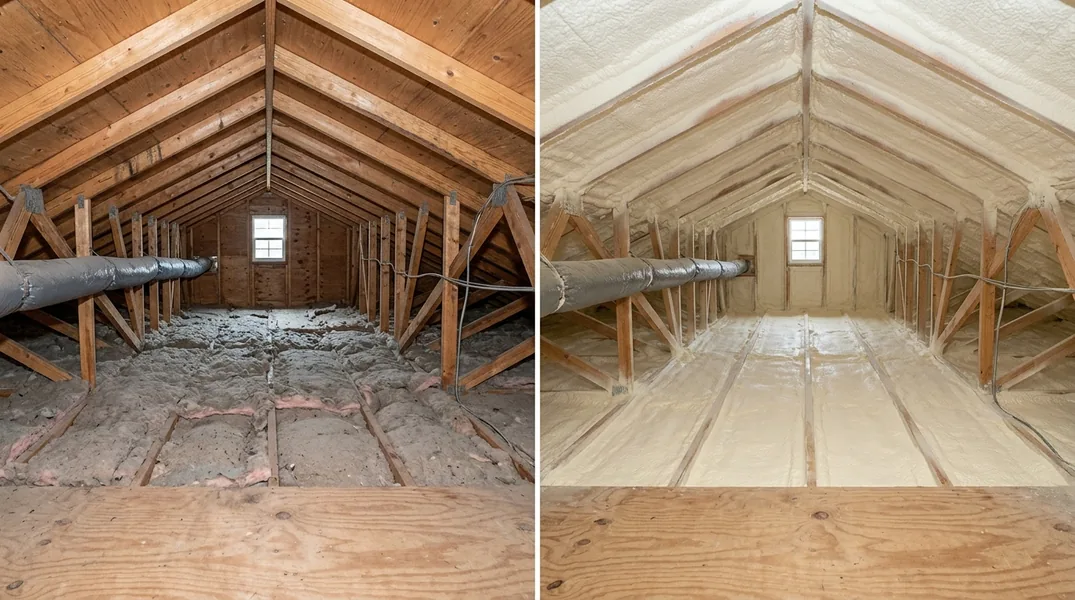
Heat rises, and in a hot climate like ours, that rising heat becomes your enemy during cooling season. Your attic can reach temperatures well over 120 degrees Fahrenheit on a sunny summer day, and without proper insulation, that heat radiates downward into your living spaces. This forces your air conditioning system to work harder and longer, driving up your monthly energy bills. Attic Spray Foam Insulation is one of the most effective ways to create a thermal barrier that stops this heat transfer before it reaches your home.
The attic is also where air leaks commonly occur. Gaps around electrical penetrations, HVAC ducts, and roof transitions allow conditioned air to escape and hot air to infiltrate. Traditional fiberglass batts and blown-in cellulose can settle over time, leaving gaps that compromise performance. Spray foam insulation, by contrast, expands to fill every cavity and crack, creating an air-tight seal that traditional insulation cannot match. For homeowners in Lakeland looking to maximize cooling efficiency and minimize energy waste, upgrading the attic should be the top priority.
Closed Cell vs. Open Cell Spray Foam for Attic Applications
Closed Cell Spray Foam Insulation is the premium choice for attic insulation in Climate Zone 2A. This type of foam has a higher R-value per inch (typically R-6 to R-7), meaning you achieve better thermal performance with less material. Closed cell foam also provides a vapor barrier, which is important in humid climates like Florida. The dense, rigid structure resists moisture infiltration and provides structural reinforcement to your roof deck. For homeowners who want maximum efficiency and long-term durability, closed cell spray foam delivers superior results.
Open Cell Spray Foam Insulation is a more budget-friendly alternative that still offers excellent thermal performance. With an R-value of approximately R-3.5 per inch, open cell foam requires a bit more thickness to meet Zone 2A standards, but it remains highly effective at reducing heat transfer and air infiltration. Open cell foam is also breathable, which some homeowners prefer because it allows moisture to pass through rather than trapping it. Both options outperform traditional insulation in terms of air sealing and long-term performance, so the choice often comes down to your budget and specific home conditions.
Beyond the Attic: Crawl Space and Foundation Insulation Matters Too
While the attic is your primary concern in a hot climate, don't overlook your crawl space. Many homes in Lakeland are built on pier and beam or raised foundations, which means your crawl space is directly exposed to outdoor temperatures. Heat can radiate upward through your floors during summer, and in winter, cold air seeps in from below, making your heating system work harder. Closed Cell Spray Foam Insulation applied to crawl space walls and rim joists is the best insulation for crawl space environments because it resists moisture, provides structural support, and creates a continuous thermal envelope.
Pier and beam insulation specifically addresses the unique challenges of homes built on posts or pillars. Traditional fiberglass batts installed between floor joists often sag and deteriorate in crawl spaces, especially in Florida's humid environment. Spray foam adheres directly to the underside of the floor system and to foundation walls, eliminating gaps and preventing air infiltration. Cold floors insulation using spray foam also reduces the temperature differential between your living space and the floor, improving comfort year-round. If you have a crawl space and notice cold floors or higher-than-expected energy bills, professional crawl space spray foam installation may be exactly what you need.
Energy Savings and Comfort Benefits You'll Notice
Upgrading your attic insulation to meet Climate Zone 2A standards typically results in measurable energy savings. Homeowners often report 10 to 30 percent reductions in cooling costs after attic spray foam installation, depending on the current condition of their insulation and the extent of air leaks. These savings compound over time, and the initial investment in professional spray foam insulation often pays for itself within a few years through lower utility bills. Beyond the financial benefit, you'll notice improved comfort. Hot spots and uneven temperatures throughout your home tend to disappear when your attic is properly sealed and insulated.
The humidity control benefits are equally important in Florida. Spray foam's air-sealing properties reduce the amount of humid outside air that enters your home, which takes pressure off your air conditioning system and reduces indoor humidity levels. This creates a healthier, more comfortable living environment and may even extend the lifespan of your HVAC equipment. Many homeowners also report that their homes stay cooler during power outages or when the AC is temporarily off, because the improved insulation slows heat transfer into the home. These real-world benefits make professional attic insulation a smart investment for any Lakeland homeowner serious about comfort and efficiency.
Getting Started with Professional Attic Insulation in Lakeland
If you're ready to improve your home's energy efficiency and comfort, the first step is a professional assessment. A qualified insulation contractor can evaluate your current attic conditions, identify air leaks, and recommend the right spray foam solution for your specific home. Lakeland Spray Foam Insulation offers comprehensive attic inspections and can explain exactly what your home needs to meet Climate Zone 2A standards. Every home is different, so a customized approach based on your actual conditions is always better than a one-size-fits-all solution.
Contact Lakeland Spray Foam Insulation today at (863) 777-4948 to schedule your free estimate. Our team will assess your attic, crawl space, or any other area where spray foam insulation could improve your home's performance. We serve Lakeland and the surrounding region with professional installation and honest advice. Whether you're interested in Attic Spray Foam Insulation, crawl space solutions, or Wall & Injection Foam Insulation, we have the expertise to help you achieve the comfort and savings you deserve.
Looking for a professional spray foam insulation contractor in Lakeland? Lakeland Spray Foam Insulation responds fast for all your spray foam insulation needs.
Get a Free Quote